
Rome is a perfect base for exploring some of Italy's most enchanting cities. Located in the center of the country with excellent transport infrastructure, the Eternal City allows you to discover UNESCO heritage sites, medieval villages, volcanic lakes, and paradisiacal beaches on trips lasting just a few hours.
In this complete and updated guide for 2025, we present 20 must-visit destinations near Rome, organized by distance, with detailed information on how to get there, how much it costs, what to see, and practical tips to make the most of each visit.
Important tip: The 2025 Jubilee Holy Year brings millions of pilgrims to Rome. Consider taking day trips to escape the crowds and discover authentic Italy outside the capital.
Why Take Day Trips from Rome?
There are several reasons to include day trips in your Roman itinerary:
- Time-saving: Cities up to 2 hours away allow for round trips on the same day
- Variety of experiences: Beaches, mountains, lakes, ruins, and medieval villages
- Escape the crowds: Rome gets crowded, especially in 2025 with the Jubilee
- Efficient transport: Frequent and affordable regional trains
- Cost-benefit: Accommodation in Rome serves as a base for multiple destinations
Map of Cities Near Rome
Tivoli32 km45 minTrain/BusGardens and history Castel Gandolfo25 km45 minTrainLake and Pope Frascati21 km30 minTrainWine and gastronomy Ostia Antica25 km30 minMetroRoman ruins Orvieto96 km1h10TrainMedieval city Civita di Bagnoregio125 km2hCar/TourSuspended city Pompeii240 km1h10High-speed trainArchaeology Naples225 km1h10High-speed trainGastronomy and culture Amalfi Coast280 km3hOrganized tourLandscapes Florence275 km1h30High-speed trainArt and architectureCities Less Than 1 Hour from Rome
1. Tivoli – UNESCO Heritage with Renaissance Gardens
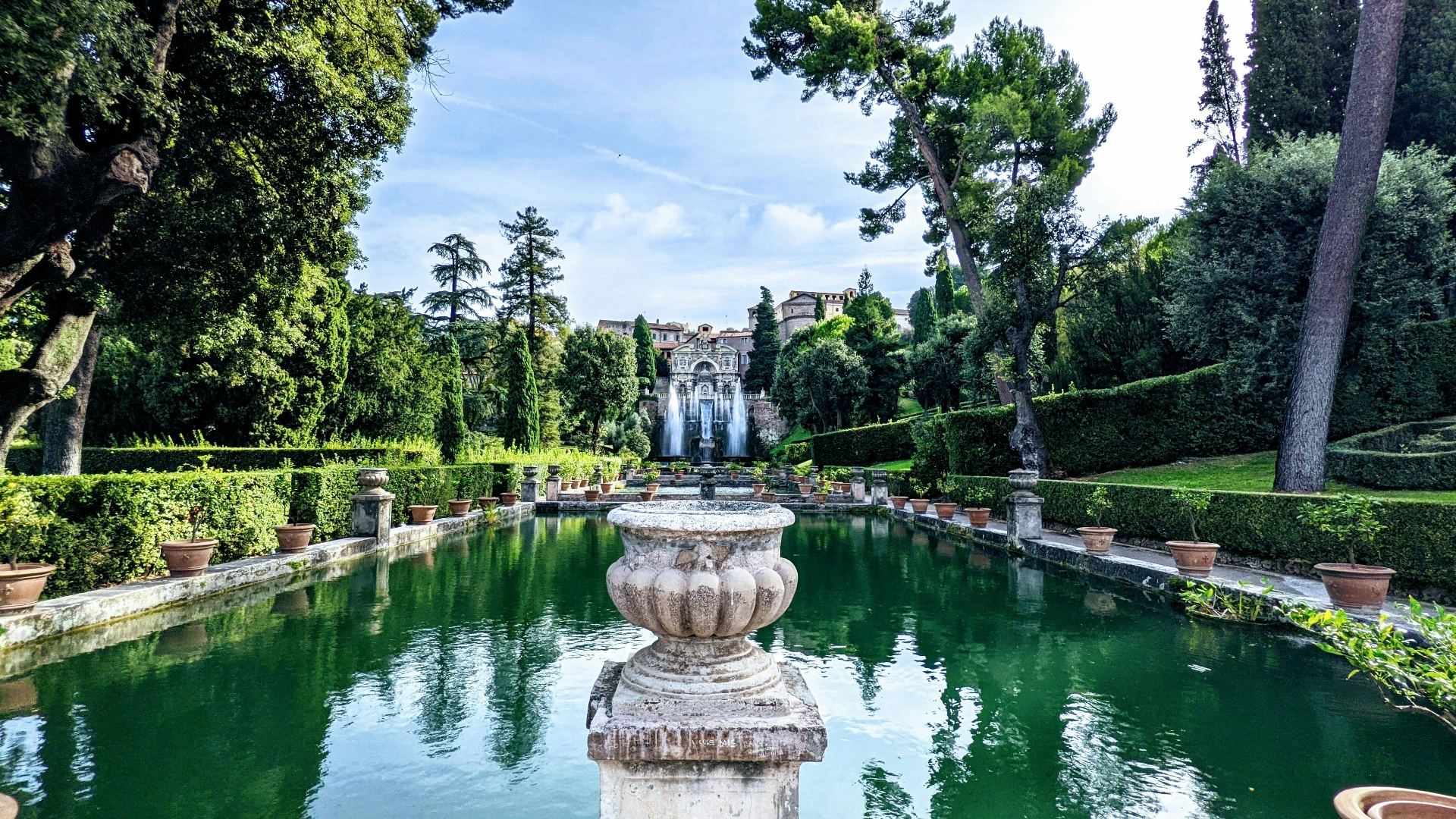
Distance: 32 km | Time: 45 minutes by train
Tivoli is absolutely unmissable for anyone visiting Rome. This ancient city houses two UNESCO World Heritage Sites: Villa d'Este and Villa Adriana (Hadrian's Villa), offering a unique combination of Renaissance art and Roman archaeology.
What to See in Tivoli
Villa d'Este – Built in the 16th century by Cardinal Ippolito II d'Este, this villa is famous for its terraced gardens with over 500 fountains. The water displays, artificial grottoes, and panoramic views make this one of the most impressive gardens in the world.
Villa Adriana (Hadrian's Villa) – The largest residential complex of a Roman emperor ever built. Spanning 120 hectares, it includes theaters, thermal baths, libraries, and reproductions of monuments Emperor Hadrian saw on his travels throughout the empire.
Historic Center – Medieval alleys, the Rocca Pia (fortress), the Cathedral of San Lorenzo, and breathtaking views of the Aniene Valley.
How to Get to Tivoli
Regional TrainRoma Tiburtina45-60 min€3.60 COTRAL BusPonte Mammolo Metro50-70 min€2.50 CarGRA/A2440 minToll €2.10Entry Prices in Tivoli (2025)
- Villa d'Este: €14 full / €2 reduced (18-25 EU years)
- Villa Adriana: €12 full / €2 reduced
- Combined ticket: €20 (valid for 3 days)
- First Sunday of the month: Free entry
Expert tip: Visit Villa d'Este in the morning (fewer tourists) and Villa Adriana in the afternoon. Reserve at least 6 hours to enjoy both at a leisurely pace.
2. Castel Gandolfo – The Popes' Summer Retreat
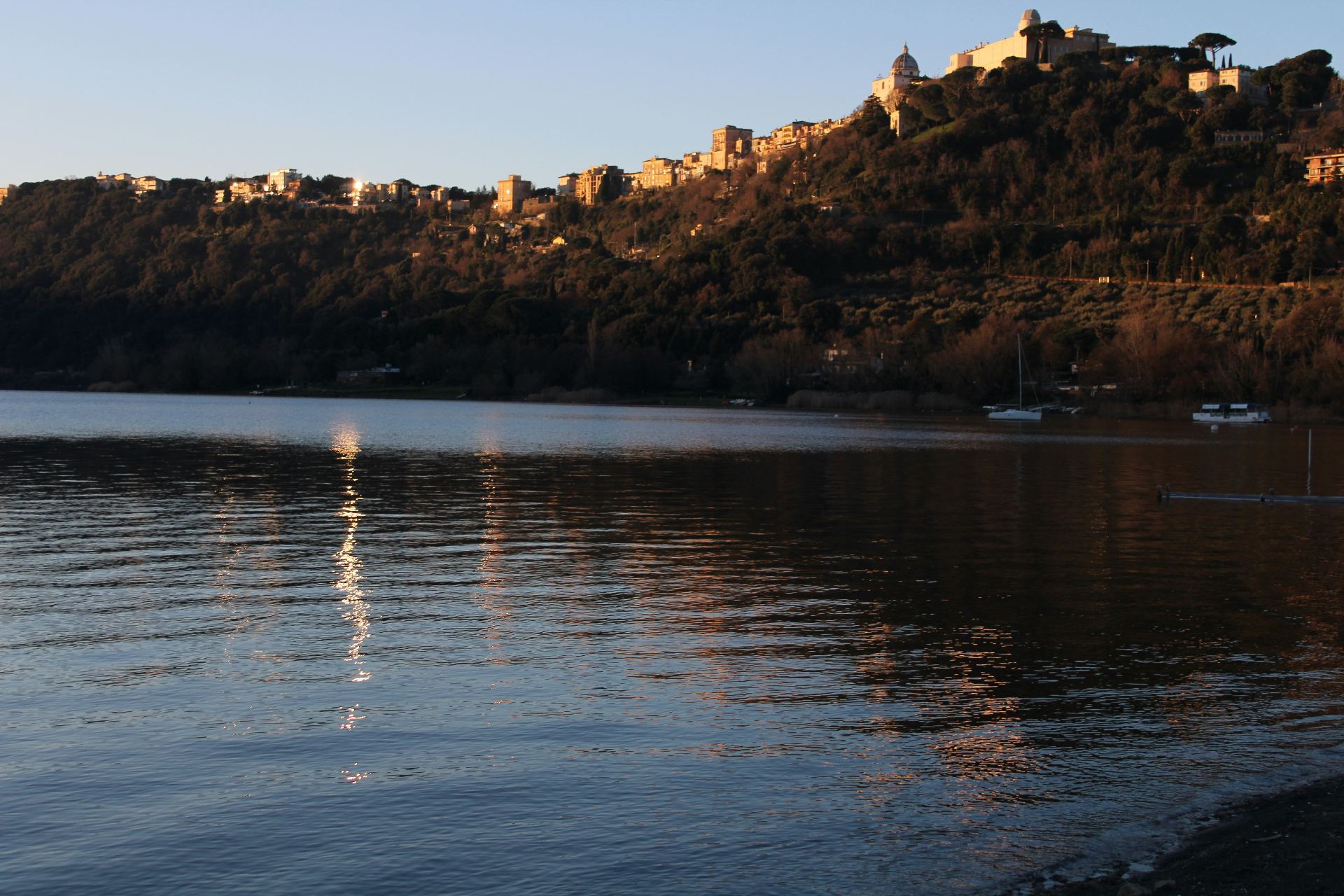
Distance: 25 km | Time: 45 minutes by train
Elected as one of the "Borghi più Belli d'Italia" (Italy's Most Beautiful Villages), Castel Gandolfo is famous for being the summer residence of the popes since 1626. With the opening of the Papal Gardens to the public in 2014 by Pope Francis, it has become an even more attractive destination.
What to See in Castel Gandolfo
Palazzo Apostolico (Apostolic Palace) – The papal summer residence, now open for visits. Includes papal apartments, the portrait gallery, and the private chapel.
Giardini Barberini (Barberini Gardens) – 25 hectares of landscaped gardens with plants from all over the world, ruins of Domitian's Villa, and spectacular views of Lake Albano.
Lake Albano – A volcanic lake with crystal-clear waters perfect for swimming in the summer. There are equipped beaches and the possibility to rent pedal boats and kayaks.
Historic Center – Piazza della Libertà with the Palazzo Apostolico, Chiesa di San Tommaso da Villanova (designed by Bernini), and charming alleys with typical restaurants.
How to Get to Castel Gandolfo
Regional TrainRoma Termini45 min€2.60 COTRAL BusAnagnina Metro40 min€1.80 CarVia Appia Nuova35 minNo tollEntry Prices (2025)
- Palazzo Apostolico: €10
- Giardini Barberini: €10
- Combined Palace + Gardens ticket: €17
- Full guided tour: €35
3. Frascati – Wine Capital of the Castelli Romani
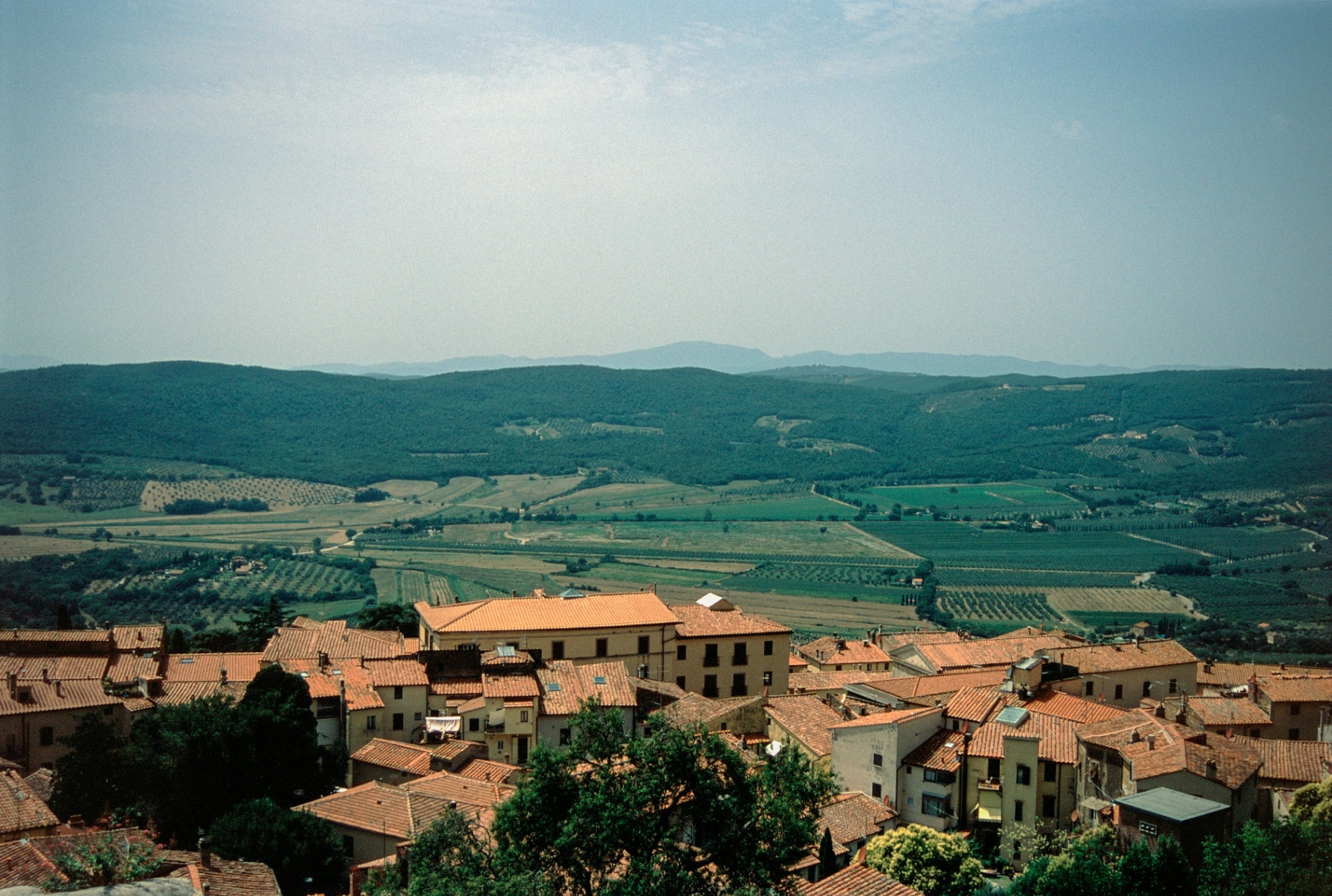
Distance: 21 km | Time: 30 minutes by train
Frascati is the food and wine capital of the Castelli Romani, a region of volcanic hills known for its DOC white wines and traditional cuisine. It is the perfect destination for those who want to combine culture, landscapes, and great food.
What to See in Frascati
Villa Aldobrandini – A magnificent 17th-century villa with cascading gardens and monumental fountains. The gardens are free and offer panoramic views of Rome.
Historic Center – Piazza San Pietro with the Cattedrale di San Pietro Apostolo, Palazzo Vescovile, and charming alleys filled with trattorias.
Cellars and Tastings – Frascati has been producing white wines for over 2,000 years. Visit local cellars for tastings of the famous Frascati DOC and Frascati Superiore DOCG.
Porchetta di Ariccia – The neighboring town of Ariccia (5 km) is the capital of Roman porchetta. Combine both towns in a single gastronomic tour.
How to Get to Frascati
Regional TrainRoma Termini25-30 min€2.60 COTRAL BusAnagnina Metro30 min€1.50Gastronomic tip: Have lunch at a fraschetta (traditional tavern) where you can bring your own food and pay only for the house wine. A centuries-old tradition!
4. Ostia Antica – The Pompeii at Rome's Doorstep
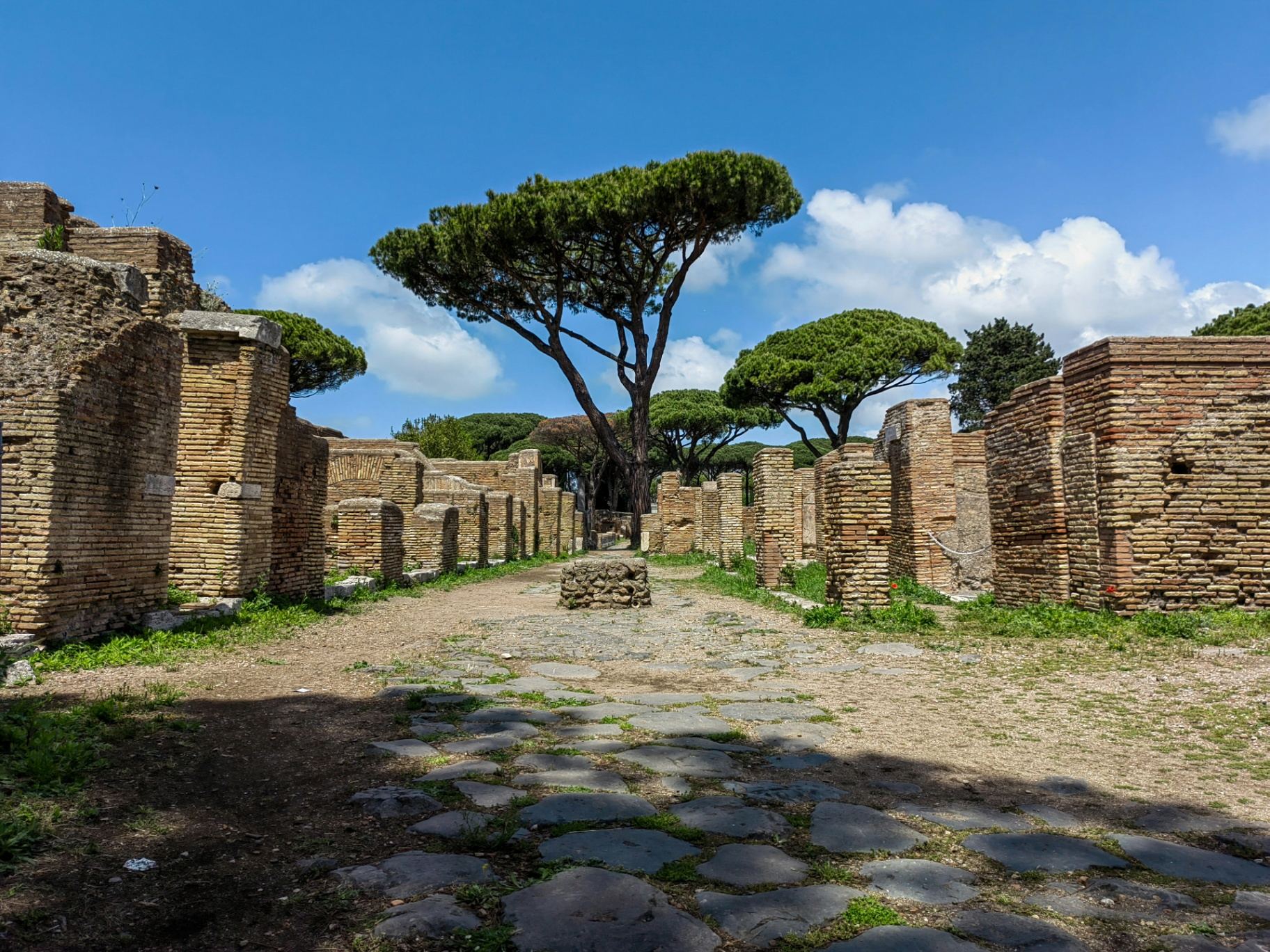
Distance: 25 km | Time: 30 minutes by metro/train
Many tourists go all the way to Pompeii without knowing that Rome has its own spectacular archaeological site much more accessible. Ostia Antica was the ancient port of Rome and is incredibly well-preserved.
What to See in Ostia Antica
Archaeological Park – One of the largest and best-preserved archaeological sites of Roman antiquity, featuring:
- Roman Theater – Still used for performances in the summer, with a capacity for 4,000 people
- Thermopolium – An ancient bar with frescoes showing the menu of the time
- Baths of Neptune – Extraordinary black and white mosaics
- Forum – The civic center of the ancient city
- Insula – 4-story Roman apartment buildings
- Synagogue – One of the oldest in the Western world
How to Get to Ostia Antica
Metro B + Roma-Lido RailwayPiramide/Ostiense30 min€1.50 (metro ticket)Entry Prices (2025)
- Full entry: €18 (includes temporary exhibitions)
- Reduced (18-25 EU): €2
- First Sunday of the month: Free
- Audio guide: €6
Advantage over Pompeii: Ostia Antica is much less crowded, cheaper, easier to reach, and you can explore it at your own pace. Reserve 3-4 hours.
5. Nemi – The Village of the Lake and Strawberries
Distance: 30 km | Time: 50 minutes by car/bus
Tiny and charming, Nemi is a medieval borgo perched over Lake Nemi, a volcanic crater known as "Diana's Mirror." The town is famous for its fragoline di bosco (wild strawberries).
What to See in Nemi
Museo delle Navi Romane (Museum of Roman Ships) – A museum that tells the story of Emperor Caligula's enormous ceremonial barges, recovered from the bottom of the lake in the 1930s (destroyed in WWII, but with replicas and original artifacts).
Lake Viewpoint – Spectacular views of the volcanic lake surrounded by forests.
Historic Center – Medieval alleys, Palazzo Ruspoli, and artisanal shops.
Sagra delle Fragole (Strawberry Festival) – Annual strawberry festival in June, when the village serves strawberries with whipped cream on every corner.
How to Get to Nemi
- Car: Via Appia or Via dei Laghi, 50 minutes
- COTRAL Bus: Anagnina Metro to Genzano, then taxi/local bus
- Combined: Combine with Castel Gandolfo or Ariccia on the same day
6. Cerveteri – UNESCO Heritage Etruscan Necropolis
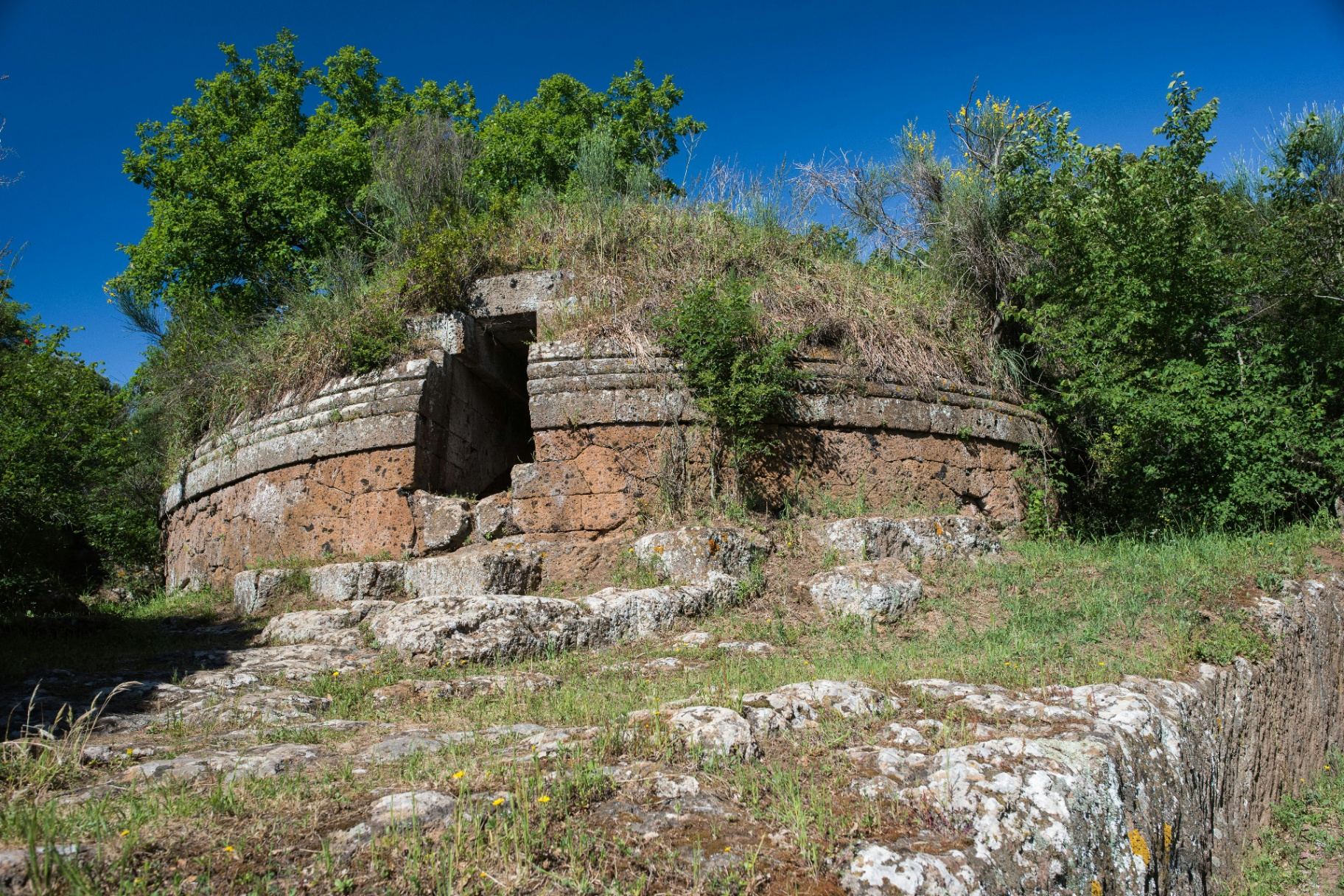
Distance: 45 km | Time: 50 minutes by train
For lovers of ancient history, Cerveteri offers a window into the Etruscan civilization, the mysterious people who dominated central Italy before the Romans. The necropolis is a UNESCO World Heritage Site.
What to See in Cerveteri
Necropoli della Banditaccia – The largest necropolis in the ancient Mediterranean, with tombs that replicate Etruscan houses. The most famous tombs include:
- Tomba dei Rilievi (Tomb of the Reliefs) – With colored stuccos showing everyday objects
- Tomba dei Capitelli (Tomb of the Capitals) – With original Etruscan columns
- Via degli Inferi – The main avenue between the tombs
Museo Nazionale Cerite – In the city center, featuring Etruscan sarcophagi, ceramics, and jewelry.
How to Get to Cerveteri
Regional TrainRoma Termini/Ostiense50 min to Cerveteri-Ladispoli€4.60 Local busFrom the station to the necropolis15 min€1.50Prices (2025)
- Necropolis: €10 / €2 reduced
- Museum: €6 / €2 reduced
- Combined ticket: €14
Cities 1 to 2 Hours from Rome
7. Orvieto – Medieval Jewel of Umbria
Distance: 96 km | Time: 1h10 by train
Orvieto is one of Italy's most spectacular medieval cities, built on a volcanic tuff plateau. Its Gothic Duomo is considered one of the most beautiful cathedrals in the world.
What to See in Orvieto
Duomo di Orvieto – A masterpiece of Italian Gothic with a golden mosaic facade and frescoes by Luca Signorelli in the San Brizio Chapel (inspiration for Michelangelo's Sistine Chapel).
Pozzo di San Patrizio (St. Patrick's Well) – A 62-meter deep well with two helical staircases that do not cross, an impressive Renaissance engineering feat.
Orvieto Underground – A network of over 1,200 caves under the city, used since Etruscan times for extracting water, making wine, and seeking refuge.
Historic Center – Palazzo del Capitano del Popolo, Torre del Moro, and medieval streets with artisanal ceramic shops.
Orvieto Classico Wine – The region has been producing excellent white wines since the Etruscan era.
How to Get to Orvieto
Regional TrainRoma Termini1h10-1h30€8.90 FunicularFrom the station to the center3 min€1.30Buy the Carta Unica (€25): Includes the Duomo, Pozzo di San Patrizio, Orvieto Underground, Torre del Moro, funicular, and bus – excellent value for money!
8. Civita di Bagnoregio – The Dying City
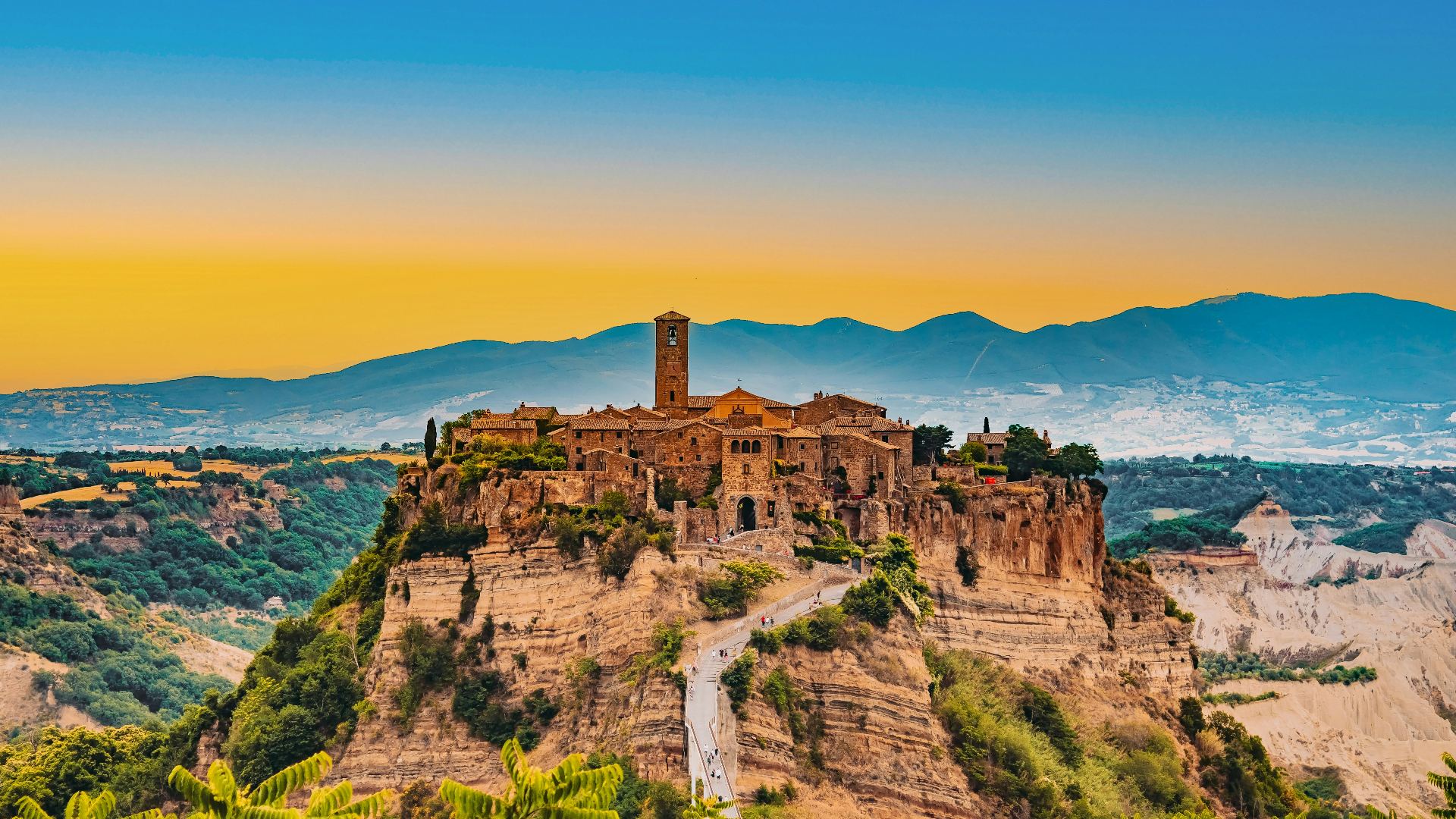
Distance: 125 km | Time: 2 hours by car/tour
Known as "la città que muore" (the dying city), Civita di Bagnoregio is one of Italy's most surreal places. Built on a tuff cliff that is slowly eroding, it is accessible only by a 300-meter footbridge.
What to See in Civita
The Footbridge – The walk to the city over the suspended footbridge, with views of the valley, is an unforgettable experience in itself.
The Borgo – With only 12 permanent residents, the medieval village seems frozen in time. Romanesque churches, stone houses, and secret gardens.
Valley Views – The surrounding ravines and geological formations known as "calanchi" are dramatic.
How to Get to Civita di Bagnoregio
- Organized tour from Rome: The most practical way, usually combined with Orvieto (€70-120)
- Car: 2 hours via A1/E35 to Bagnoregio, then a 10-minute walk
- Public transport: Train to Orvieto + bus to Bagnoregio (limited)
Prices (2025)
- City entry: €5 (high season) / €3 (low)
- Parking in Bagnoregio: €2-5
9. Viterbo – The City of Popes and Thermal Baths
Distance: 80 km | Time: 1h40 by train
Viterbo was the papal seat in the 13th century and maintains one of the best-preserved medieval centers in Italy. Besides history, the region is famous for its natural thermal baths.
What to See in Viterbo
Quartiere San Pellegrino – The best-preserved medieval neighborhood in Italy, with tower-houses, architraves, profferli (external stairs), and an authentic atmosphere.
Palazzo dei Papi (Palace of the Popes) – 13th-century papal residence with the famous loggia where the first conclave in history took place.
Terme dei Papi (Popes' Thermal Baths) – Thermal pools at 40°C in the middle of nature, just 3 km from the center.
Bullicame – Free and wild thermal pools mentioned by Dante in the Divine Comedy.
How to Get to Viterbo
Regional TrainRoma Ostiense/San Pietro1h40-2h€6.70 COTRAL BusSaxa Rubra Metro1h30€5.5010. Calcata – The Artists' Village
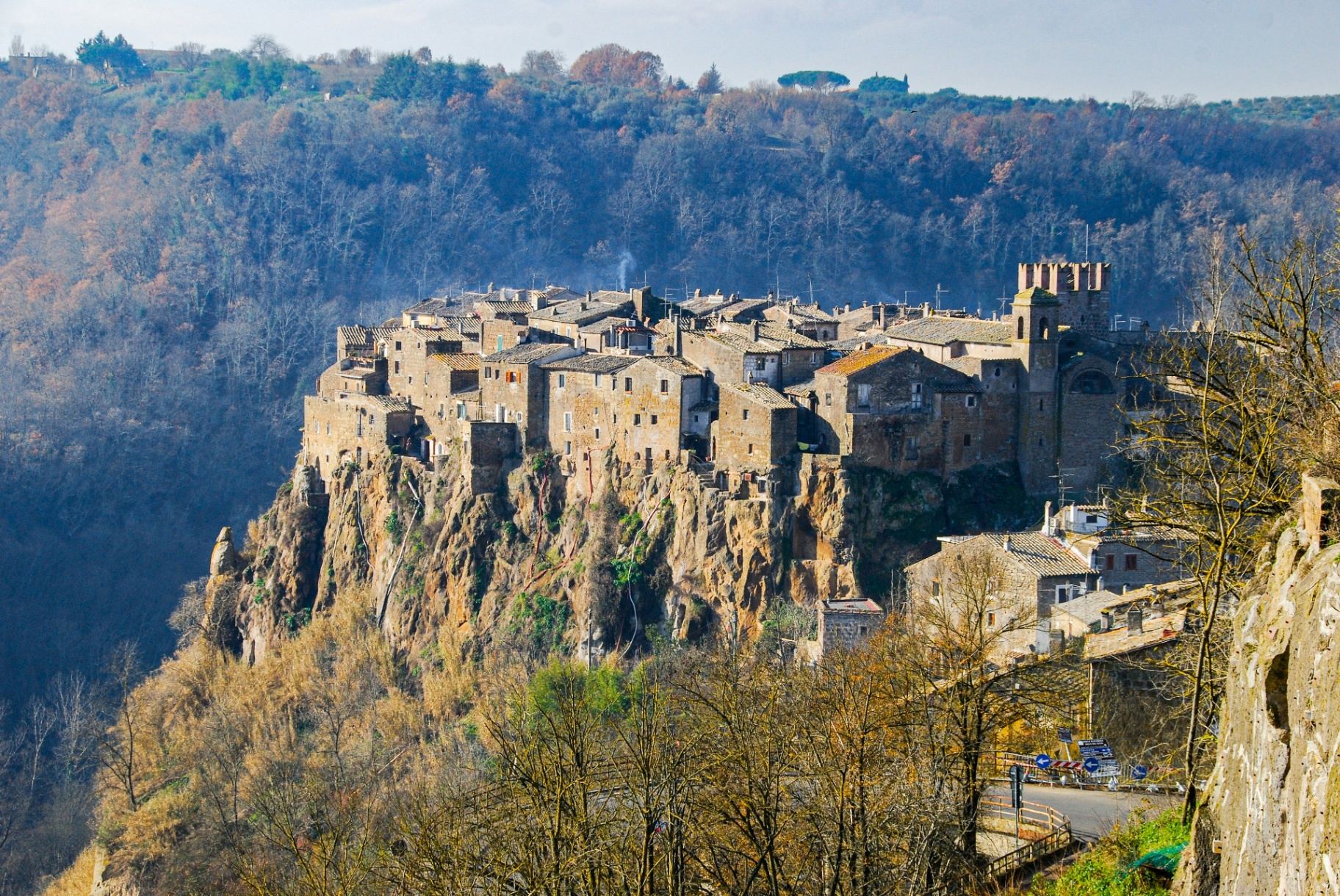
Distance: 47 km | Time: 1h15 by car
Calcata is a small borgo abandoned in the 1930s (due to collapse risk) that was repopulated by artists, hippies, and intellectuals in the 1960s-70s. Today it is a unique bohemian village, full of studios, galleries, and an alternative vibe.
What to See in Calcata
Medieval Center – Completely pedestrianized, with stone houses transformed into studios and galleries.
Artists' Studios – Visit the studios of painters, sculptors, ceramicists, and jewelers who live and work there.
Valle del Treja – A natural park with trails, waterfalls, and Etruscan ruins.
Alternative Restaurants – Vegetarian bistros, literary cafes, and venues with live music.
How to Get to Calcata
- Car: The best option, 50-60 minutes via Cassia or A1
- COTRAL Bus: Saxa Rubra Metro to Calcata, 1h15 (limited service)
Beach Destinations Near Rome
11. Sperlonga – The Caribbean of Lazio
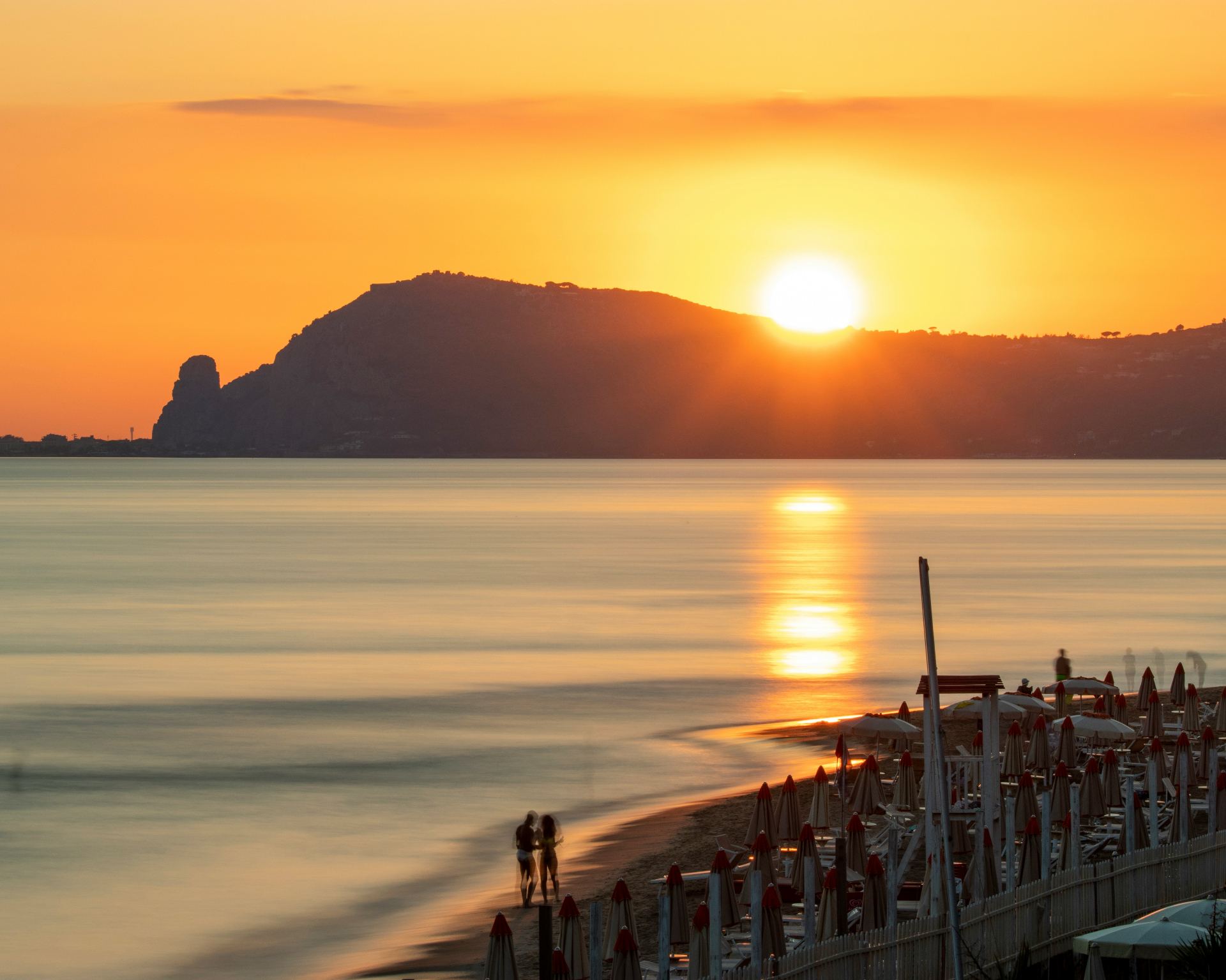
Distance: 120 km | Time: 1h30 by train
Sperlonga is often called "the Italian Santorini", with its whitewashed houses on a hill overlooking beaches with crystal-clear waters. It is considered one of the most beautiful beaches near Rome.
What to See in Sperlonga
Historic Center – A borgo of white houses, staircases, Moorish arches, and views of the turquoise sea.
Beaches – Spiaggia dell'Angolo, Spiaggia di Levante, and the wild Spiaggia dei Sassolini.
Grotta di Tiberio (Tiberius' Grotto) – A sea cave with an archaeological museum showing original sculptures from Emperor Tiberius' villa.
Torre Truglia – A 16th-century watchtower with panoramic views.
How to Get to Sperlonga
Regional TrainRoma Termini to Fondi-Sperlonga1h20-1h40€9.20 Local busFrom the station to Sperlonga15 min€1.5012. Gaeta – Military History and Beaches
Distance: 130 km | Time: 1h40 by train
Gaeta combines a medieval historic center, imposing fortresses, and some of the most beautiful beaches on the Tyrrhenian Sea. It has been an important military base from the Romans to NATO.
What to See in Gaeta
Montagna Spaccata (Split Mountain) – A spectacular rocky fissure with a sanctuary and a 300-step staircase.
Santuário della Santissima Trinità – A church built into the mountain's fissure.
Castello Angioino-Aragonese – A medieval fortress with views of the gulf.
Spiaggia di Serapo – An urban beach with fine sand and calm waters.
Medieval Borgo – Romanesque churches, a bell tower, and seafood restaurants.
13. Santa Severa – Castle on the Beach
Distance: 52 km | Time: 50 minutes by train
Santa Severa offers a unique combination: a medieval castle directly on the beach. It is the easiest beach destination to reach from Rome by public transport.
What to See in Santa Severa
Castello di Santa Severa – A 9th-century medieval fortress built over the ruins of the Etruscan port of Pyrgi. It houses museums, exhibitions, and cultural events.
Beach – A long stretch of black volcanic sand with free sections and equipped lidos.
Pyrgi – Ruins of the Etruscan sanctuary with the famous "Pyrgi Tablets" (now in the Museo di Villa Giulia in Rome).
How to Get to Santa Severa
- Regional Train: Roma Termini/San Pietro to Santa Severa, 50 min, €5.20
- Car: Via Aurelia, 45 min
Further Destinations (Worth the Effort!)
14. Pompeii and Herculaneum – Cities Frozen in Time
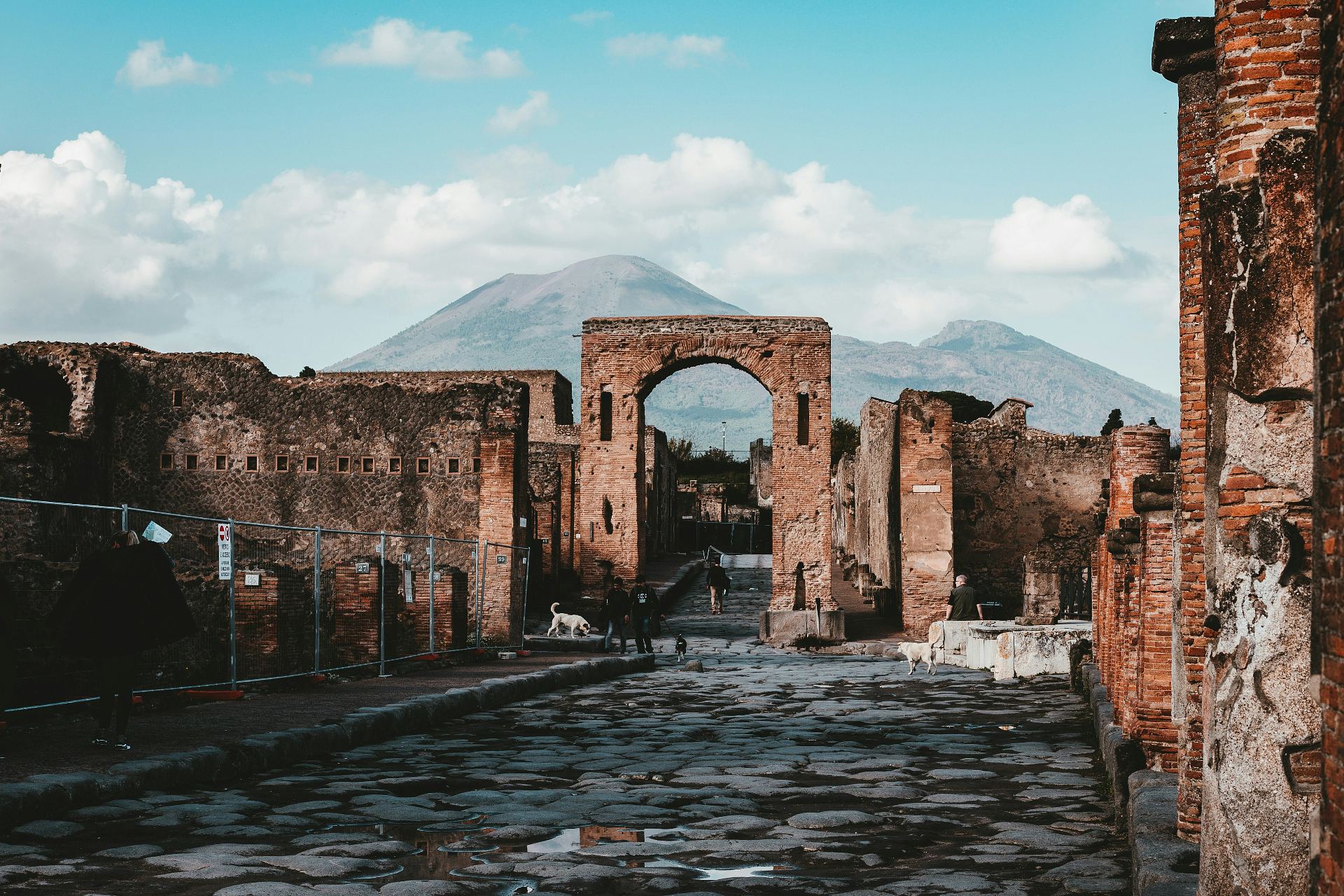
Distance: 240 km | Time: 1h10 by high-speed train
Although further away, Pompeii and Herculaneum are visitable on a day trip thanks to the high-speed train. The cities were preserved by the eruption of Vesuvius in 79 AD.
Why Visit
Pompeii – The largest and most famous preserved Roman city. Amphitheater, forum, thermal baths, brothels, houses with original frescoes, and paved streets.
Herculaneum – Smaller but better preserved, with wooden structures, mosaics, and two intact floors of buildings.
How to Get There
Frecciarossa/ItaloRoma Termini to Napoli Centrale1h10€45-90 (variable) CircumvesuvianaNaples to Pompei Scavi35 min€3.60Tip: Book high-speed trains in advance for much lower prices. Sites: Trenitalia.com and Italotreno.it
15. Naples – The Capital of the South
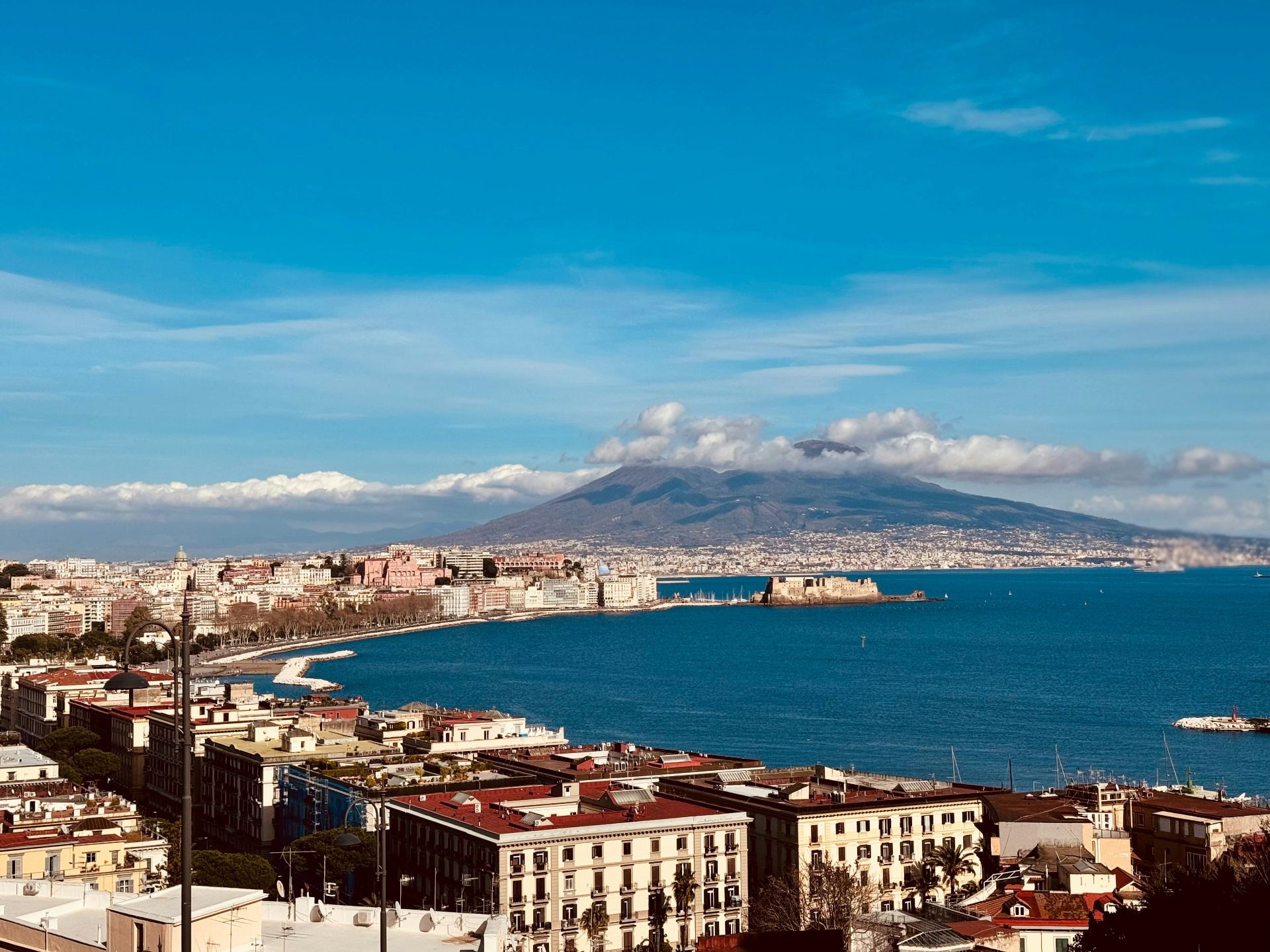
Distance: 225 km | Time: 1h10 by high-speed train
Naples deserves days, but a day trip allows you to experience the best pizza in the world, the UNESCO historic center, and the impressive Museo Archeologico.
What to See in Naples
Spaccanapoli – The street that "splits" the historic center in half, full of Baroque churches, shops, and Neapolitan life.
Museo Archeologico Nazionale (National Archaeological Museum) – The largest collection of Roman art in the world, including treasures from Pompeii.
Napoletana Pizza – Have lunch at Pizzeria Da Michele or Sorbillo to taste the original pizza.
Cappella Sansevero – The Veiled Christ, one of the most impressive sculptures in the world.
16. Amalfi Coast – Postcard Landscapes
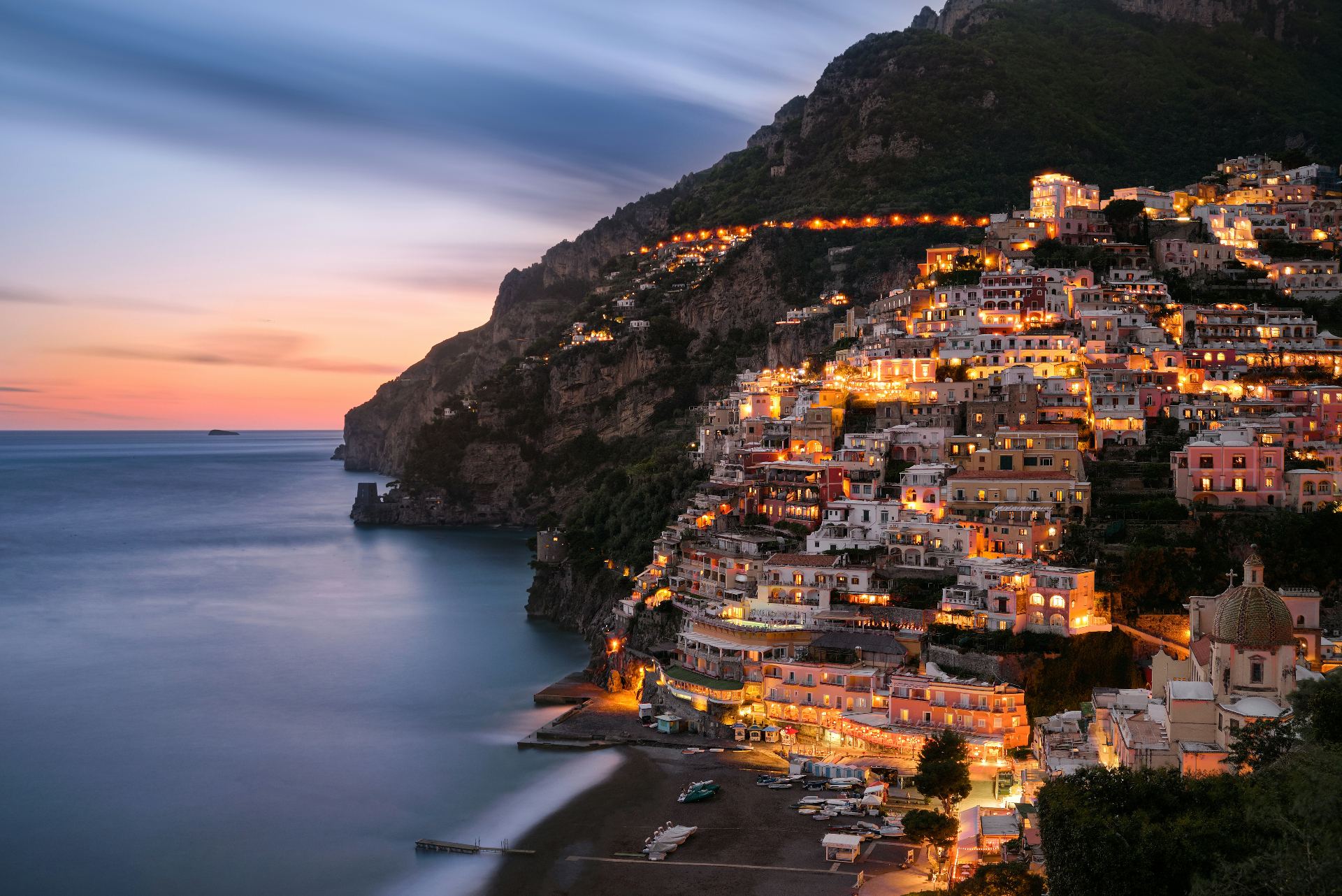
Distance: 280 km | Time: 3 hours (recommended organized tour)
The Amalfi Coast is a UNESCO Heritage Site and one of the most photographed landscapes in the world. A day trip is possible but tiring – it's worth every minute.
What to See
- Positano – Colorful houses cascading down to the sea
- Amalfi – Arab-Norman cathedral and historic center
- Ravello – Gardens of Villa Rufolo with infinite views
How to Visit
- Organized tour: The most practical way (€100-150 per person)
- On your own: Train to Salerno + SITA bus (challenging but possible)
17. Florence – Capital of the Renaissance
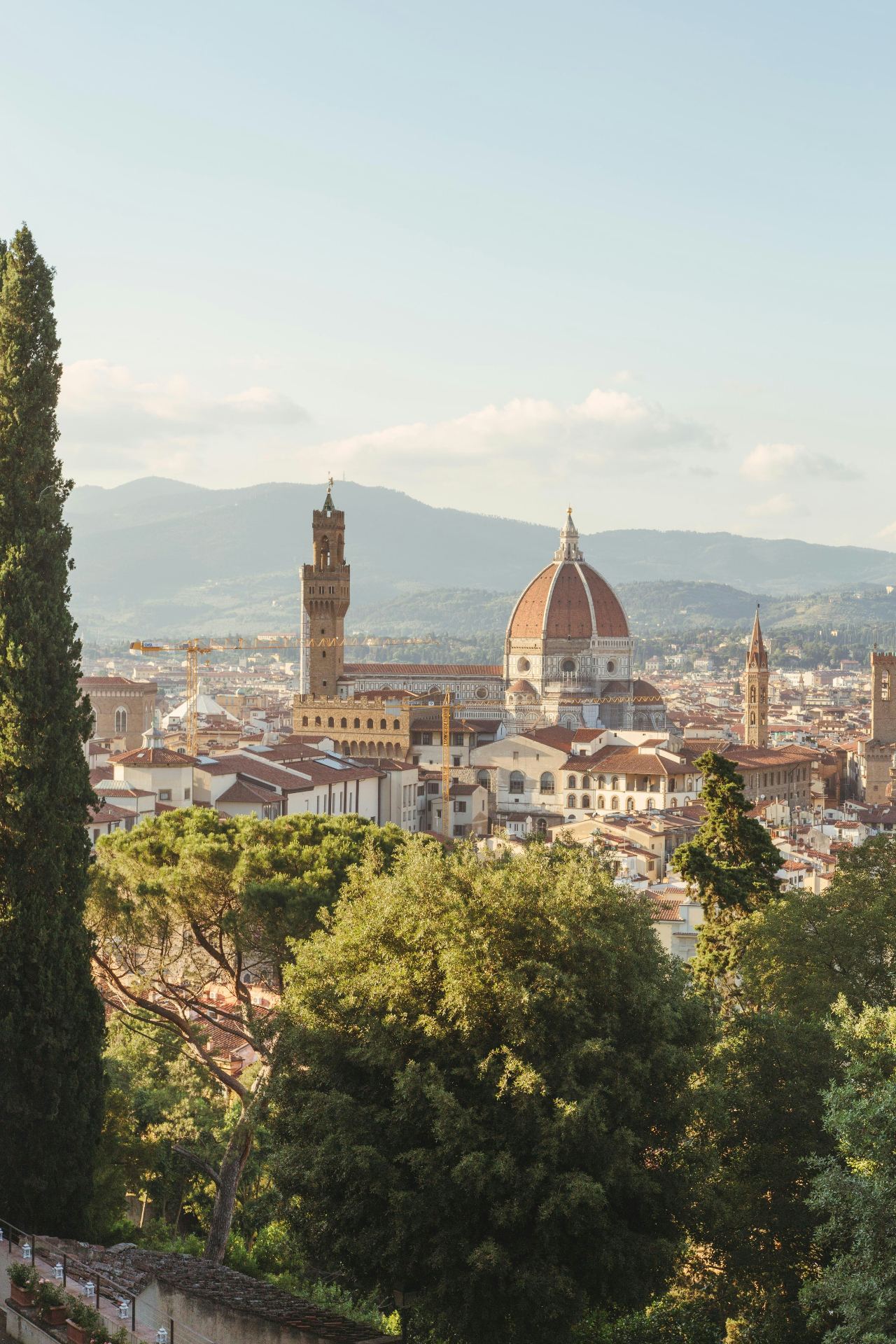
Distance: 275 km | Time: 1h30 by high-speed train
Florence is a must-see, and the high-speed train allows for a surprisingly comfortable day trip – but you'll want to return for more days.
What to See in One Day
- Duomo and Brunelleschi's Dome
- Uffizi Gallery (book well in advance!)
- Ponte Vecchio
- Piazza della Signoria
- Artisanal Gelato
Practical Tips for Day Trips from Rome
Best Time to Visit
Spring (Mar-May)Pleasant weather, blooming gardensCrowded EasterTivoli, Orvieto, Viterbo Summer (Jun-Aug)Long days, beachesIntense heat, crowdedSperlonga, Gaeta, Santa Severa Autumn (Sep-Nov)Grape harvest, fewer touristsShorter daysFrascati, Orvieto, Castelli Romani Winter (Dec-Feb)No lines, low pricesCold, some closuresViterbo (thermal baths), NaplesTransport: Which to Choose?
Regional Train (Trenitalia):
- Best for: Tivoli, Frascati, Orvieto, Viterbo, beaches
- Advantage: Frequent, punctual, cheap
- Buy: At the station or Trenitalia app
COTRAL Bus:
- Best for: Castelli Romani, Calcata, destinations without a station
- Advantage: More economical, goes where the train doesn't
- Buy: Tobacconists or MyCicero app
Rental Car:
- Best for: Civita di Bagnoregio, flexible itineraries, groups
- Advantage: Total freedom
- Attention: ZTL (limited traffic zones) in historic centers
Organized Tours:
- Best for: Amalfi Coast, Pompeii, complex itineraries
- Advantage: Logistics solved, guide included
- Book: GetYourGuide, Viator, Civitatis
What to Bring
- Documents: Passport/ID and booking vouchers
- Footwear: Comfortable for walking on cobblestones
- Water: Especially in summer (bring a reusable bottle)
- Sunscreen: The Italian sun is strong
- Light jacket: For churches (shoulders and knees covered)
- Cash: Some small places do not accept cards
Useful Apps
- Trenitalia/Italo: Buying train tickets
- Google Maps: Navigation and public transport
- Rome2Rio: Route planning
- TheFork: Restaurant reservations
- Tiqets/GetYourGuide: Skip-the-line tickets
Suggested Itineraries
Itinerary 1: Classic (1 day)
Morning: Tivoli (Villa d'Este) → Afternoon: Villa Adriana
Itinerary 2: Gastronomic Castelli Romani (1 day)
Morning: Castel Gandolfo (lake) → Lunch: Ariccia (porchetta) → Afternoon: Frascati (wine)
Itinerary 3: Medieval (1 day)
Morning: Orvieto (Duomo, Pozzo) → Afternoon: Civita di Bagnoregio
Itinerary 4: Beach + Culture (1 day)
Morning: Sperlonga (beach) → Afternoon: Grotta di Tiberio
Itinerary 5: Southern Italy (1 long day)
Early morning: Train to Naples → Morning: Historic center + pizza → Afternoon: Pompeii → Night: Return to Rome
Frequently Asked Questions
What is the best city near Rome for a day trip?
Tivoli is considered the best option for most visitors. It combines two UNESCO Heritage Sites (Villa d'Este and Villa Adriana), is only 45 minutes by train, has complete tourist infrastructure, and offers a unique experience of Renaissance gardens and Roman ruins. For those who prefer the beach, Sperlonga is unbeatable; for gastronomy, Frascati and the Castelli Romani.
How much does a day trip from Rome cost?
Costs vary by destination. For nearby cities like Frascati or Ostia Antica, you spend about €20-30 per person (transport + entry). Destinations like Orvieto are around €40-50. Pompeii or the Amalfi Coast can reach €100-150 considering high-speed trains and tickets. Organized tours cost between €70-200 depending on the destination and inclusions.
Is it worth going to Pompeii on a day trip from Rome?
Yes, thanks to the high-speed train that takes only 1h10 to Naples. It's a long day (leave early, return late), but perfectly feasible. Many prefer this format over staying overnight in Naples. Book trains in advance for better prices and arrive at Pompeii at opening (9 AM) to avoid crowds and heat.
Can I take day trips from Rome without knowing Italian?
Absolutely! The Italian transport system is well-signposted, with information in English at main stations. Apps like Google Maps and Trenitalia work perfectly in English. At tourist attractions, it's common to find audio guides and brochures in multiple languages. A translator on your phone solves specific situations.
Which destination to choose when traveling with children?
Ostia Antica is excellent – children love "playing" in the ruins as if it were an adventure park. Castel Gandolfo offers the lake for playing in the summer. Sperlonga combines the beach with the Grotta di Tiberio. For a different day out, the Bioparco di Roma (zoo) or Rainbow MagicLand (amusement park in Valmontone) are options 30-40 minutes from Rome.
Do I need to book tickets in advance?
For Pompeii, Uffizi Gallery (Florence), and the Vatican: yes, especially in high season – book weeks ahead. For Tivoli, Orvieto, Ostia Antica: usually not necessary, but book online to skip lines. For small towns like Frascati, Calcata, or Nemi: there is no need for reservations.
How to avoid crowds on day trips?
Visit on weekdays (Tuesday to Thursday are ideal). Arrive at opening or after 3 PM. Avoid Italian holidays and weekends from June to August. The "low season" (November to March, except Christmas) is much quieter. Prefer lesser-known destinations like Cerveteri, Nemi, or Calcata over crowded classics.
Can I combine two destinations in the same day?
Yes, for destinations close to each other. Popular combinations:
- Castel Gandolfo + Frascati or Ariccia
- Orvieto + Civita di Bagnoregio
- Tivoli: Villa d'Este + Villa Adriana (already two in one)
- Naples + Pompeii (long but classic day)
- Cerveteri + Santa Severa (morning ruins, afternoon beach)
Avoid combining distant destinations – you will spend more time in transport than enjoying yourself.
Conclusion
Rome is much more than just the city itself. Its strategic location in the heart of Italy allows you to discover incredible treasures on day trips – from Renaissance gardens to Etruscan ruins, from Mediterranean beaches to medieval villages suspended in time.
With the 2025 Jubilee Year bringing record numbers of visitors to the capital, day trips are also a smart way to escape the crowds and experience authentic Italy, where time seems to run slower and every pranzo (lunch) can last three delicious hours.
Choose your destinations, prepare your camera, and buon viaggio!
Need help planning your move to Italy? At Studio Cidadania, we are specialists in Italian citizenship, work visas, and regularization. Contact us for a personalized consultation.
📚 Read Also
- Northern Italy: Complete Guide to the 12 Most Charming Cities to Visit in 2025
- Working Holiday Visa 2025: The Ultimate Guide to Working and Traveling the World
- How to Live in Italy in 2025: Complete Guide for Brazilians
- Foreigners in Turin 2024: Population Reaches 16% and Raises Alerts on Housing and Work
Need expert guidance?
Talk to the Studio Cidadania team and get all your questions answered about European citizenship, visas, and residency. Human support, no commitment.
Free WhatsApp Consultation